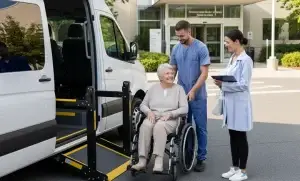

Losing reliable transportation can change an older adult’s daily life. Medical visits become harder to attend, groceries may run low, and social plans can disappear. Family members often help when possible. However, work, distance, and other duties may limit their availability. Senior transportation provides planned rides with caregiver support for routine needs. It can help an older person get to appointments, run errands, and stay involved with family or community life.
Glorious Home Care Assistance provides transportation and errand support as part of non-medical home care. The service focuses on safe planning, dependable schedules, and respectful, door-to-door support. This helps older adults keep making personal choices without depending on relatives for every trip. Transportation does not replace emergency or medical transport. Instead, it supports ordinary travel that keeps daily life moving.
What Senior Transportation Services May Include
Transportation for seniors covers more than a ride between two addresses. A caregiver can provide steady support around the trip, based on the approved care plan. We may help older adults travel for:
- Doctor, therapy, dental, or other scheduled appointments
- Pharmacy visits and prescription pickups
- Grocery shopping and household errands
- Family visits, social events, and community activities
- Personal outings that support normal routines
- Door-to-door caregiver support before and after the ride
Plan each trip with the client’s schedule and physical comfort in mind. Families should share mobility limits, walking aids, appointment times, and useful contact details before departure. As a result, the caregiver can prepare for the expected trip. Emergency symptoms require emergency services, not routine senior transportation. Clear boundaries protect the client, caregiver, and family.
Door-to-Door Support Adds Value Beyond the Ride
Many older adults need more than a driver. A person may feel unsure in busy parking areas, struggle with bags, or forget the correct entrance. Caregiver transportation assistance can provide a familiar person throughout the outing.
| Travel need | Caregiver support | Independence benefit |
| Medical visit | Planned ride and door-to-door help | Easier access to scheduled care |
| Grocery trip | Transportation and shopping support | More control over food choices |
| Pharmacy visit | Ride for a routine pickup | Fewer delays caused by limited travel |
| Social event | Transportation to planned activities | Continued contact with friends and family |
| Personal errand | Help reaching stores or services | Greater control over everyday decisions |
The caregiver should follow the care plan and respect personal preferences. Physical transfer help may require mobility assistance within the plan. Licensed health professionals make medical decisions.
Transportation Supports Health, Routine, and Social Contact
Reliable travel supports appointments, errands, meals, and social contact. Stopping driving may reduce social interaction and the ability to get around. Transportation support can reduce these practical barriers.
Keeping Important Plans
A caregiver can help the client follow the planned departure time and reach a scheduled destination. This support may ease pressure on relatives who cannot leave work for every appointment.
Staying Connected Through Companion Care
Transportation and companion care for older adults living alone can work together. A caregiver may accompany the client to a family gathering, hobby, meal, or community program. Therefore, the outing provides both transportation and meaningful social contact without taking control away from the client.
Signs an Older Adult May Need Transportation Help
A single missed outing does not prove that transportation support is needed. However, repeated travel problems may limit access to health care, daily routines, and social contact. Families should watch for patterns such as:
- Missing appointments because no driver is available
- Running out of groceries or delaying pharmacy visits
- Giving up hobbies, gatherings, or family visits
- Feeling nervous about driving, parking, or unfamiliar routes
- Depending on one relative for every routine trip
- Avoiding errands because walking from parking areas feels difficult
The older adult should take part in the conversation. Begin with the trips that matter most to that person. A trial schedule may show whether weekly errands, appointment rides, or social outings provide enough support. Therefore, families can add help gradually rather than removing driving or travel choices without discussion.
A Clear Transportation Plan Prevents Confusion
Good planning begins before the vehicle arrives. The client, family, and care coordinator should confirm:
- Destinations, pickup times, and emergency contacts
- Use of a cane, walker, wheelchair, or other mobility aid
- The approved vehicle and rules for mobility devices
- Waiting time, return rides, trip changes, and cancellations
- Who receives schedule updates and caregiver messages
We can include transportation within a personalized care plan covering companionship, errands, meals, or mobility support. However, caregivers do not provide ambulance transport, medical treatment, or clinical supervision. If chest pain, breathing trouble, severe weakness, or another emergency occurs, call emergency services. Do not use a scheduled ride. Families should confirm whether the service includes waiting during a visit or only scheduled pickup and return.
Better Mobility Can Support a More Independent Life
Senior transportation helps older adults keep appointments, manage errands, and stay involved with people they value. More importantly, it protects choice. The older adult can plan meaningful trips without asking relatives for every ride. Families gain a dependable travel option and clearer schedules.
Before starting care, discuss trip frequency, mobility needs, preferred destinations, and communication rules. A useful plan should fit daily life without making the older adult feel controlled. The agency provides non-medical transportation and errand support within flexible home care plans. Caregiver help can make routine travel easier while respecting comfort, privacy, and personal decisions. Call Glorious Home Care Assistance to discuss senior transportation. Request a free in-home assessment and build a care plan that supports safer, more independent daily travel for seniors.
Frequently Asked Questions
What does senior transportation include?
Senior transportation may include planned rides to appointments, pharmacies, grocery stores, family visits, social events, and community activities. Depending on the care plan, a caregiver may provide door-to-door support and help during routine errands. It does not include ambulance transport or emergency medical care services.
How does transportation help older adults remain independent?
Transportation gives older adults a reliable way to manage appointments, shopping, errands, and social plans when driving becomes difficult. They can keep making daily personal choices about their time and activities. Meanwhile, family members do not have to provide every ride or cancel other responsibilities.
Can a caregiver take a senior to a medical appointment?
Yes, transportation support may include rides to scheduled medical, dental, therapy, or follow-up appointments. Families should confirm directly whether the caregiver can wait, accompany the client inside, or provide a return ride. The caregiver cannot make medical decisions or provide clinical treatment during the visit.
Is senior transportation the same as emergency medical transport?
No. Senior transportation supports planned, non-emergency trips. It is not an ambulance service and does not provide medical monitoring. A person with chest pain, severe breathing trouble, stroke signs, major bleeding, or another urgent condition needs emergency services. Routine transportation from a caregiver is not appropriate.
Can transportation services include grocery shopping and errands?
Yes. A care plan may include grocery shopping, pharmacy pickups, personal errands, and other routine outings. The caregiver can provide transportation and agreed support during the trip. Families should clearly explain mobility needs, shopping preferences, spending limits, and the expected length of each outing beforehand.
How often can an older adult use senior transportation?
Trip frequency depends on the care plan, caregiver schedule, and the older adult’s needs. Some clients need occasional appointment rides. Others benefit from weekly errands or regular social outings. A care assessment can help the family choose a schedule that supports independence without creating unwanted visits.
What should families ask before arranging senior transportation?
Families should ask about vehicles, insurance, caregiver screening, mobility-device rules, waiting time, trip changes, cancellations, and emergency procedures. They should explain the older adult’s walking needs and preferred communication method. Clear expectations before service begins help the client, family, and caregiver follow the same transportation plan.