

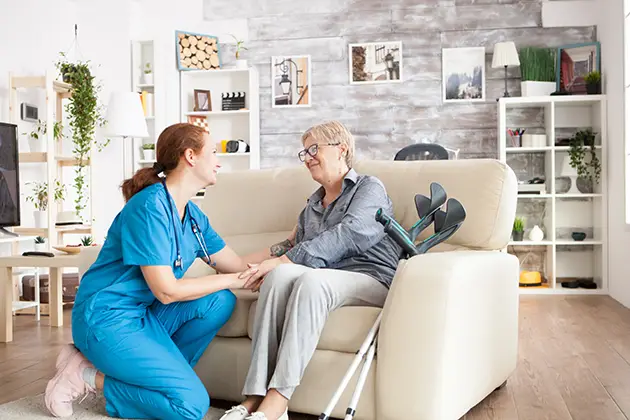
Memory changes can turn familiar days into uncertain ones. A missed meal, repeated question, or restless evening can change how much support your loved one needs. Families looking for Alzheimer’s & dementia care in San Jose & The Bay Area can turn to Glorious Home Care Assistance for calm, non-medical help built around daily life. Caregivers focus on safety, familiar routines, respectful assistance, and steady companionship so your loved one can continue living at home with support that fits the day.
Dementia affects each person differently, and needs can shift over time. Some days call for reminders and company. Other days require closer supervision, personal care, meals, or reassurance. We pay attention to daily habits, preferred pace, interests, and familiar patterns so care feels easier to accept.
Caregivers can follow established times for meals, bathing, activities, rest, and bedtime. Keeping familiar parts of the day in place can make daily support easier to follow and give caregivers a clearer sense of what your loved one expects.
Confusion may show up as repeated questions, frustration, fear, or requests to “go home” even when the person is already there. Caregivers respond with patience, simple language, and reassurance. They can redirect attention toward familiar music, photos, a snack, or another simple activity. National Institute on Aging guidance also supports reassurance, redirection, reduced clutter, and consistent routines when behavior changes appear.
Wandering can happen when familiar places become hard to recognize. Caregivers stay alert to pacing, repeated attempts to leave, searching for someone, or statements about needing to go somewhere. They can provide supervision and follow the household’s safety plan. The Alzheimer’s Association recommends meaningful daily activity, attention to basic needs, reassurance, and home safeguards to help reduce wandering risk.
Simple activities often work well. A caregiver may look through photos, listen to familiar songs, take a supervised walk, read together, or talk about long-held interests. We can adjust activities based on attention, energy, mood, and what feels familiar that day.
Memory support often connects with practical daily care. Your loved one may complete part of a routine but need prompts or hands-on help with another part. Our caregivers can assist without rushing the process.
Services may include:
As care needs grow, families may need more dependable coverage. When you arrange Alzheimer’s & dementia care in San Jose & the Bay Area, our care plan can account for routines, the amount of help needed, preferred activities, mobility needs, and times when confusion tends to increase. Glorious Home Care Assistance can adjust the care arrangement as daily needs change.
We provide non-medical in-home care. Caregivers do not diagnose conditions, provide skilled nursing, change prescriptions, or administer medications. If your loved one has a sudden change in behavior, new severe confusion, a fall, breathing trouble, or another urgent medical concern, contact the appropriate medical professional or emergency service.
Tell us what daily life looks like now, where support feels most useful, and what times of day are hardest to cover. Glorious Home Care Assistance can discuss a care arrangement built around your loved one’s routines and the practical help your household needs.
Call (408) 332-5843 to request a free consultation and talk about dependable memory support at home in San Jose and across the Bay Area.
Glorious Home Care Assistance supports families across San Jose and nearby South Bay, Peninsula, and East Bay communities. Service areas include Los Gatos, Saratoga, Palo Alto, Menlo Park, Mountain View, Cupertino, Redwood City, San Mateo, Walnut Creek, Pleasanton, and other listed Bay Area communities.
Care takes place where daily habits already exist, from the usual breakfast table to the favorite chair or familiar hallway. Those small details give caregivers useful cues for routines, conversation, activities, and day-to-day support.
We consider personality, communication style, daily habits, and scheduling needs when arranging care, helping your loved one feel more comfortable with support.
You receive timely updates about routine changes, concerns, and daily observations, so you can stay informed and make decisions with better context.
Care can fit short visits, daytime schedules, overnight needs, or 24-hour support, giving your household more room to manage changing demands.
It includes non-medical support such as supervision, familiar routines, companionship, memory-friendly activities, personal care, meal preparation, mobility assistance, light housekeeping, transportation, and medication reminders. The schedule depends on daily abilities, safety needs, behavior patterns, and household routines.
Yes, many people with dementia can remain at home when the care setup matches current needs and safety risks. Support may include supervision, wandering precautions, and help with daily activities. Safety should be reviewed as dementia progresses because needs can change.
Consider in-home care when memory changes begin affecting meals, hygiene, medication routines, mobility, household safety, sleep, social engagement, or the ability to stay alone safely. Care may also help when a family caregiver needs regular relief.
A caregiver can stay nearby, watch for patterns such as pacing or repeated exit-seeking, keep the person involved in simple activities, respond to toileting or hunger needs, and follow home safety measures. No strategy can guarantee wandering will never occur, so families should also keep identification and an emergency response plan ready.
Reduce noise, keep the routine familiar, speak calmly, offer reassurance, and redirect attention toward a simple activity. Check needs such as hunger, thirst, toileting, fatigue, discomfort, or temperature. If agitation appears suddenly, becomes severe, or comes with new physical symptoms, contact a healthcare professional.
Original Medicare generally does not cover ongoing non-medical long-term care or custodial help by itself. Medicare home health coverage applies only when eligibility rules are met, including a need for qualifying skilled care ordered by a healthcare provider and delivered through a Medicare-certified home health agency. Families should check their benefits, Medicaid eligibility, long-term care insurance, or private-pay options.