
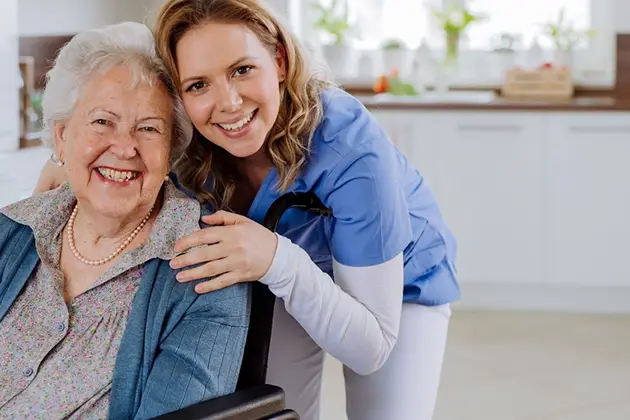
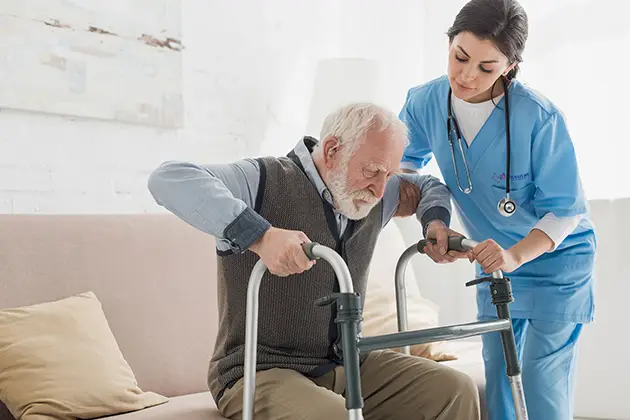
Moving from the bedroom to the kitchen, getting up from a favorite chair, or walking to the front door can take more effort when balance and strength change. Glorious Home Care Assistance gives you steady, respectful help with everyday movement at home. When you need mobility assistance in San Jose & The Bay Area, a caregiver can support walking, transfers, mobility aids, positioning, and other daily movement needs according to your routine. The goal is simple: help you move through each day with greater comfort, confidence, and independence.
We provide non-medical in-home care, so our caregivers focus on daily living support rather than physical therapy, skilled nursing, or medical treatment. Your care arrangement can fit short-term needs, ongoing assistance, or a schedule that changes as your mobility needs change.
Mobility affects far more than getting from one room to another. It can influence how easily you dress, use the bathroom, prepare for appointments, sit down for meals, spend time outdoors, and take part in activities you enjoy. A little steady support at the right moment can make those everyday routines much easier.
Your caregiver works at your pace. There is no need to rush from a chair or hurry down a hallway. Support can be adjusted according to how much help you need during each part of the day.
Getting from a bed to a chair, standing from a sofa, or moving into a wheelchair may require physical support. Your caregiver can assist with routine transfers and give you time to get properly balanced before your next movement. Caregivers also pay attention to your usual transfer routine and any instructions already established for your care. If your mobility needs require clinical transfer training, specialized equipment, or therapy, those needs should be addressed by the appropriate healthcare professional.
You may feel comfortable walking independently in some areas and prefer an extra hand in others. Caregivers can stay close during movement through bedrooms, hallways, living areas, entrances, and other familiar spaces. With mobility assistance in San Jose & The Bay Area, you can receive support during everyday walking without turning every trip across the house into a stressful task. Your caregiver can slow the pace, allow time for pauses, and stay attentive as you change direction, stand, or sit.
If you already use a walker or wheelchair, your caregiver can help you incorporate it into your normal routine. This may include bringing your mobility aid within reach, helping you prepare to stand, assisting during movement, and making sure commonly used pathways remain clear. Caregivers do not prescribe mobility equipment or determine which device is medically appropriate for you. Questions about fitting, changing, or selecting a walker, wheelchair, cane, or other device should go to your doctor, physical therapist, or occupational therapist.
Staying in one position for too long can become uncomfortable. Depending on your care needs, a caregiver can help you make basic position changes for everyday comfort, such as settling into a chair properly or adjusting your sitting position. Your caregiver can also help keep frequently used belongings nearby. Glasses, water, phones, mobility devices, and other daily items are easier to use when you do not need unnecessary reaching or repeated trips across the room.
Movement often feels easier when it remains part of a familiar daily routine. Caregivers can encourage appropriate light activity, short walks, or exercises that your healthcare professional has already recommended. They do not create exercise therapy programs or replace a physical therapist. Instead, they can help you remember an established routine, stay nearby during suitable activity, and offer encouragement along the way.
Falls are a serious concern when balance, strength, vision, medications, or other health factors affect movement. Caregiving support can help reduce everyday environmental risks and provide another set of eyes during activities where you need assistance.
Your caregiver can look out for practical concerns such as:
If you experience a fall, repeated near-falls, sudden weakness, dizziness, new balance problems, or a noticeable change in your ability to move, medical evaluation may be needed. Caregivers provide everyday non-medical support and can communicate observed changes according to your care arrangement.
Support also extends beyond a single room. When your care plan includes appropriate assistance outside the home, a caregiver can help you prepare for routine outings, walk with you where suitable, and provide steady support as you enter or leave familiar places.
Your routine should allow enough time for safe, comfortable movement from morning through evening. Glorious Home Care Assistance can arrange non-medical support for walking, transfers, mobility aids, daily positioning, and appropriate activity based on the assistance you need.
Call (408) 332-5843 to discuss your mobility needs, preferred care schedule, and in-home support options across San Jose and the Bay Area.
Glorious Home Care Assistance serves San Jose and communities across the Bay Area, including Los Gatos, Saratoga, Palo Alto, Menlo Park, Cupertino, Campbell, Mountain View, Redwood City, San Mateo, Walnut Creek, Pleasanton, and other listed service areas. Care can be arranged around your daily schedule and the level of non-medical help you require.
Your caregiver learns how you normally move through the day, helping you follow familiar routines at a comfortable pace with consistent support.
Caregivers observe everyday mobility changes and keep communication clear, helping your care arrangement stay relevant when your level of assistance begins to change.
We encourage you to take part in daily movement according to your abilities, giving practical physical support where needed without rushing your routine.
An in-home mobility caregiver can assist with everyday walking, standing, routine bed-to-chair or chair-to-chair transfers, basic positioning, and the use of an existing walker or wheelchair. The caregiver can also watch for household obstacles that may increase fall risk and stay nearby during movement when you need physical support.
Yes. A caregiver can help you access and use a walker or wheelchair that has already been selected for you, provide support during routine movement, and help keep pathways clear. A caregiver does not prescribe, professionally fit, or medically assess mobility equipment. Those decisions belong with a qualified healthcare professional.
Caregivers can support fall prevention by staying close during walking and transfers, keeping common pathways clear, noticing household hazards, and helping you avoid unnecessary reaching or rushed movement. They can also report observed mobility changes. Medical causes of falls, dizziness, weakness, or balance changes should be evaluated by a healthcare professional.
Availability depends on your requested schedule and current care needs. Glorious Home Care Assistance starts by learning what movements you need help with, when support is required, and how often care is needed. Call (408) 332-5843 to discuss current scheduling options and the next steps for arranging care.
A caregiver may encourage or assist you with an established light exercise or walking routine when your doctor, physical therapist, or other appropriate healthcare professional has already given instructions. The caregiver does not design rehabilitation exercises, change therapy instructions, or provide physical therapy.
Consider extra help when standing, walking, transfers, or routine movement regularly require another person's support, or when you feel less steady completing daily activities alone. Sudden weakness, new dizziness, repeated falls, severe pain, or an abrupt change in mobility should be discussed promptly with an appropriate healthcare professional.