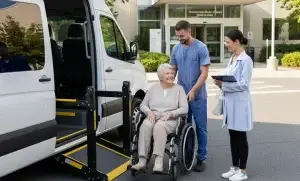

If you are living alone, it can be harder to get older. Some days can seem longer when it’s quieter, and it can be easier to skip meals, errands, and social plans. People may care about you, but work and distance may make it hard to see you very often. Companion care helps older people build routine, non-medical support without losing their independence. People who care for someone can talk with them, do things they like, help with daily tasks, and stay in touch.
Glorious Home Care Assistance provides companion care for people in San Jose and surrounding Bay Area cities. We craft a care plan for each client, suited to their needs, interests, and comfort level. That way, the support will look natural, not forced. Companion care is still required with personal or nursing care. It fills the social and practical gaps that can occur when an older person is alone for long periods.
What Companion Care Includes During a Typical Visit
Companion care for seniors centers on presence, conversation, and routine support. The caregiver spends time with the client while respecting personal choices and established habits. Visits may be quiet or active. Common forms of in-home companion care include:
- Friendly conversation, listening, and emotional support
- Shared hobbies, games, music, reading, or light activities
- Meal companionship and help following the daily routine
- Social contact that may reduce long periods spent alone
- Encouragement to call relatives or take part in planned activities
- Support with simple plans for errands, visits, or appointments
A good companion learns when to talk, listen, or allow private time. Care should follow the client’s preferences and daily comfort. As a result, the older adult keeps control over the day.
A Steady Daily Routine Can Make Home Life Easier
Living alone can make meals, hydration, hobbies, and social plans lose structure. A regular companion visit can provide a helpful point in the day. Glorious Home Care Assistance builds care around existing routines instead of replacing them.
| Daily need | Companion care support | Possible family benefit |
| Social contact | Conversation and shared activities | Fewer long periods without contact |
| Meals | Company during meals and routine support | Better awareness of eating patterns |
| Hobbies | Help setting up familiar activities | More regular mental and social engagement |
| Family contact | Support with calls or video chats | More consistent communication |
| Appointments | Help preparing for planned outings | Less confusion around the daily schedule |
The care plan may change when interests, energy, or family schedules change. However, every adjustment should respect the older adult’s preferences.
Social Connection Is More Than Friendly Conversation
Companionship gives an older adult a reliable social connection. Living alone, losing a spouse, limited mobility, and transportation problems can reduce regular contact.
Conversation With a Purpose
A friend or family member might ask about family stories, favorite music, past work, or recent happenings. These conversations show that you are interested in the person. A caregiver who knows the person well might also observe changes in mood or habits and let the family know what’s going on.
Activities Based on Personal Interests
Cards, gardening, walks, crafts, cooking, or photo albums are all meaningful activities. According to the CDC, good relationships with other people can improve your mental health and quality of life. That said, companion care can’t cure depression, anxiety, dementia, or any other illness, to be clear. If you have a medical problem, you should speak to a doctor or nurse.
Practical Support Helps Older Adults Stay Connected
Companionship can extend beyond sitting together at home. Older adults may stop attending activities because driving or going alone feels difficult. Depending on the care plan, a companion may support:
- Grocery trips, pharmacy visits, and other routine errands
- Transportation to appointments, family visits, or social events
- Walks, community programs, faith activities, or local gatherings
- Light meal planning and shared meals at home
- Phone calls, video chats, and simple help using communication tools
These tasks support social participation without turning companion care into medical care. They can help families seeking senior home care in Santa Clara County. The CDC identifies limited transportation and living alone as factors linked with isolation. Therefore, reliable help with outings or calls can remove common barriers to connection. Families should agree on useful updates before care begins.
Signs That Companion Care May Be a Good Fit
Living alone does not automatically mean someone needs care. However, a pattern of isolation or lost routine may show that added support could help. Families may consider senior companion services when an older adult:
- Goes several days without meaningful social contact
- Stops attending hobbies, faith events, or family gatherings
- Eats alone often or loses interest in preparing regular meals
- Struggles to arrange errands, rides, or social visits
- Seems withdrawn after losing a spouse, friend, or driving ability
- Wants to remain at home but needs more daytime connection
Companion care has clear limits. Caregivers do not diagnose illness, provide nursing, manage medication, or perform medical treatment. Personal care tasks may require another service. Therefore, families should discuss every need during the free assessment.
Reliable Company Can Make Living Alone Feel Less Isolating
Older adults living alone may need connection more than control. A dependable companion can share conversation, support familiar routines, and make social plans easier. Meanwhile, families gain a regular point of contact. This home care agency offers flexible companion care across San Jose and the Bay Area while protecting choice and dignity.
Before choosing care, families should discuss the older adult’s daily life goals, preferred activities, visit length, privacy, and communication rules. A clear plan helps the caregiver become a welcome part of the week, not an unwanted interruption. Call Glorious Home Care Assistance to discuss companion care.
Frequently Asked Questions
What does companion care include for an older adult living alone?
Companion care may include conversation, shared hobbies, meal companionship, routine support, social activities, errands, and planned outings. The exact support depends on the person’s interests, schedule, care plan, and comfort. It is non-medical care, so it does not include nursing, medical treatment, or medication management.
Is companion care the same as personal care assistance?
No. Companion care focuses on social contact, emotional support, activities, and daily routines. Personal care assistance may include hands-on help with bathing, dressing, grooming, toileting, feeding, or transfers. Some older adults benefit from both services within one home care plan based on their daily needs.
How often should a companion visit an older person living alone?
Visit frequency depends on the person’s routine, social network, safety needs, and family availability. Some people benefit from a few weekly visits, while others need daily support. A care assessment can identify useful visit times and visit lengths without removing the older adult’s privacy or independence.
Can companion care reduce loneliness in seniors?
Regular, meaningful contact may reduce long periods of isolation and help an older adult feel heard and involved. However, results vary by person. Companion care supports social connection but does not treat depression or anxiety. Ongoing sadness, hopelessness, or major behavior changes need professional medical attention.
Can a companion caregiver give or manage medication?
Companion caregivers do not administer or manage medication. Depending on the approved care plan, a caregiver may provide a simple reminder that it is time for prescribed medicine. Questions about doses, side effects, missed medication, or changes must go to a doctor, nurse, or pharmacist.
Where can families find companion care in San Jose?
Glorious Home Care Assistance provides non-medical companion care in San Jose. Local families can request a free in-home care assessment to discuss routines, interests, scheduling, caregiver matching, and related support needs.
Is companion care available throughout the Bay Area?
The local agency serves San Jose and many communities across Santa Clara County and the wider Bay Area. Coverage includes several cities in Alameda, San Mateo, San Francisco, Contra Costa, and North Bay counties.